
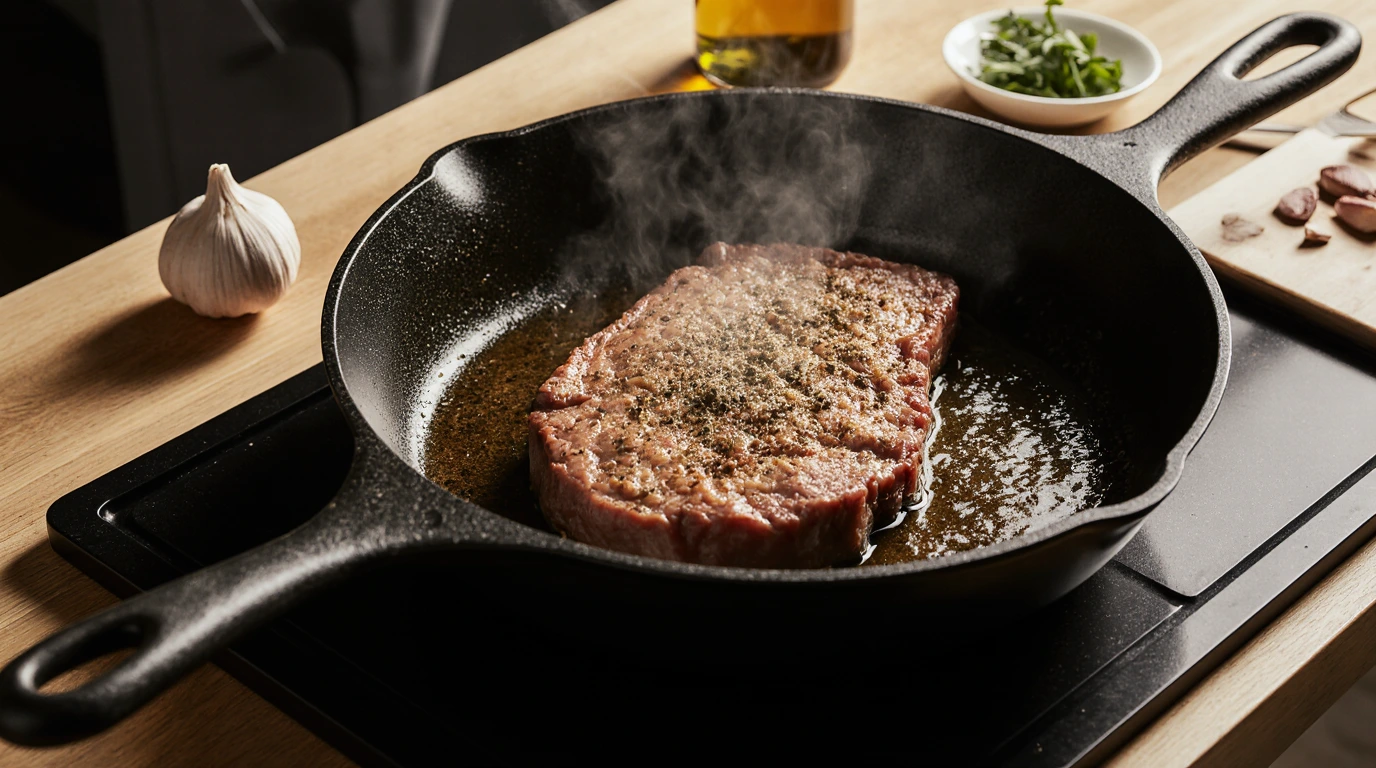
how to cook eye of round steak
How to Cook Eye of Round Steak: Transform a Tough Cut into Tender Perfection
Table of Contents
Tired of eye of round steak turning out dry, chewy, and flavorless? You’re not alone. This lean, affordable cut has a reputation for being one of the toughest steaks to master—but it doesn’t have to be that way.
Here’s my promise: With the right techniques, you can transform eye of round steak into a surprisingly tender, flavorful meal that rivals more expensive cuts. Whether you’re slicing it thin for sandwiches, searing it for a weeknight dinner, or slow-cooking it to perfection, this guide will show you exactly how to unlock its potential.
As someone who’s spent years experimenting with budget-friendly cuts in both home kitchens and professional settings, I’ve learned that eye of round steak isn’t about brute force—it’s about understanding the meat and applying smart cooking methods. The difference between tough and tender comes down to technique, not luck.
In this comprehensive guide, you’ll discover everything you need to know: how to select the best eye of round steak at the store, preparation methods that guarantee tenderness, multiple cooking techniques with precise temperatures and timing, pro tips to avoid common mistakes, and creative serving ideas. Let’s turn this underdog cut into your new favorite affordable protein.
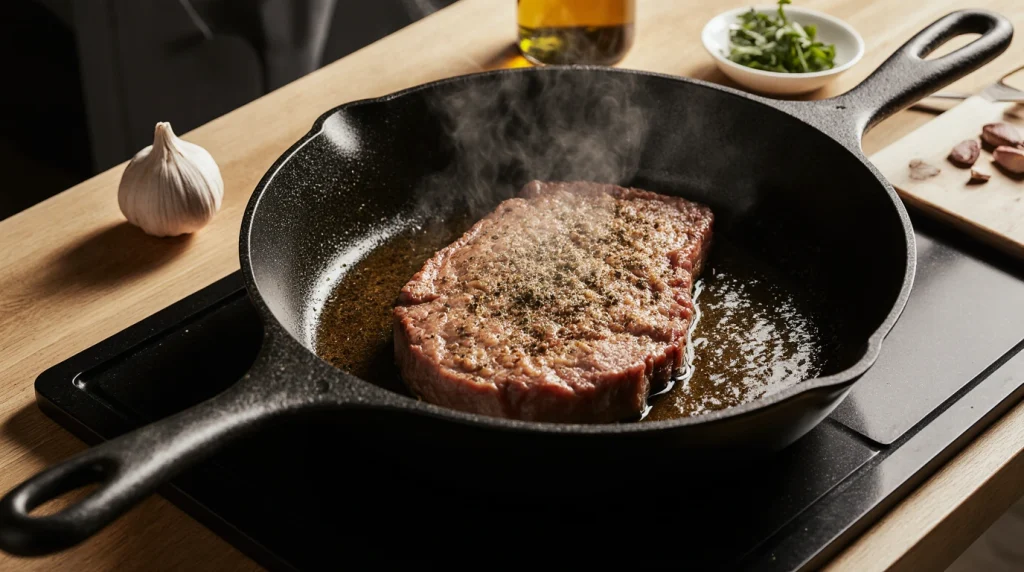
Why This Eye of Round Steak Recipe Works
Eye of round steak deserves a place in your weekly rotation, and here’s why this approach consistently delivers results:
- Budget-friendly without sacrificing flavor – Eye of round steak costs significantly less than premium cuts like ribeye or tenderloin, making it perfect for feeding families or meal prepping without breaking the bank.
- Incredible versatility for multiple cooking methods – From high-heat searing to low-and-slow braising, eye of round steak adapts to various techniques, giving you options for any occasion or available cooking time.
- Simple preparation with maximum impact – You don’t need expensive ingredients or complicated recipes. A few key techniques—proper slicing, smart marinating, and correct cooking temperatures—make all the difference.
- Lean protein that fits any diet – With minimal fat content, eye of round steak works perfectly for keto, paleo, high-protein, and calorie-conscious eating plans.
- Meal prep champion – Cook once and enjoy all week. Eye of round steak slices beautifully for sandwiches, salads, stir-fries, and grain bowls, making it ideal for batch cooking.
- Forgiving when cooked correctly – While overcooking spells disaster, following the methods in this guide gives you a clear path to success every single time.
Choosing the Right Eye of Round Steak
Selecting quality eye of round steak at the store sets you up for success before you even start cooking.
Understanding Eye of Round Steak
Eye of round steak comes from the rear leg of the cow, specifically the round primal cut. This muscle does a lot of work during the animal’s life, which means it’s naturally lean with long muscle fibers and minimal marbling. While this makes it tougher than well-marbled cuts, it also means you’re getting pure, beefy flavor without excess fat.
The steak typically appears as an oval or cylindrical shape, hence the “eye” in its name. You’ll find it sold as whole roasts or pre-cut steaks, usually ranging from ½ inch to 1 inch thick.
Buying Tips for Quality Eye of Round Steak
When shopping for eye of round steak, look for these key indicators of quality:
Color matters. Choose steaks with a deep, bright red color. Avoid any meat that looks brown, gray, or has an off-putting odor. Fresh beef should smell clean and slightly metallic, not sour or ammonia-like.
Check the packaging date. Select the freshest option available, ideally with at least 3-4 days before the sell-by date. This gives you flexibility for marinating and planning your meal.
Examine the texture. The surface should look moist but not wet or slimy. Excess moisture can indicate the meat has been sitting too long or was previously frozen and thawed.
Consider thickness. For pan-searing or grilling, choose steaks that are at least ¾ inch thick. Thinner cuts work better for quick stir-fries or dishes where you’ll slice the meat thin. For roasting, a 2-3 pound whole eye of round roast gives you more control.
Talk to your butcher. Don’t hesitate to ask when the meat was cut and if they can trim it to your preferred thickness. Many butchers will also share cooking tips specific to their beef suppliers.
Grass-fed vs. grain-fed considerations. Grass-fed eye of round will be even leaner than conventional grain-fed beef. While it offers nutritional benefits, it can be slightly tougher and requires extra attention to cooking time and temperature.
Substitutions and Alternatives
If eye of round steak isn’t available, or you want to experiment with similar cuts, consider these alternatives:
Bottom round steak works nearly identically to eye of round and comes from an adjacent muscle. Use the same preparation and cooking methods.
Top round steak offers slightly more marbling and tenderness while remaining budget-friendly. It responds well to the same techniques but may cook slightly faster.
Sirloin tip steak provides more flavor and tenderness but at a higher price point. It’s more forgiving if you accidentally overcook it.
Flank steak or skirt steak are excellent substitutes when you’re planning to marinate and slice thin. These cuts have more pronounced grain and benefit from similar tenderizing techniques.
For those looking to upgrade while staying relatively affordable, tri-tip or flat iron steak offer better marbling and natural tenderness while still working with the marinades and cooking methods outlined in this guide.
Ingredients & Prep
Success with eye of round steak starts long before the heat touches the meat. Proper preparation is your secret weapon for transforming this lean cut into something tender and delicious.
Meat Prep Essentials
Bring to room temperature. Remove your eye of round steak from the refrigerator 30-45 minutes before cooking. Cold meat hitting a hot pan cooks unevenly, with an overdone exterior and underdone center. Room temperature meat cooks more uniformly and develops better crust.
Pat completely dry. Use paper towels to thoroughly dry all surfaces of the steak. Moisture is the enemy of a good sear. A dry surface allows for proper browning and caramelization, which creates those complex, savory flavors.
Trim excess fat and silver skin. While eye of round steak is naturally lean, you may find some silver skin (that tough, silvery membrane) on the surface. Use a sharp knife to carefully slide under the silver skin and remove it in strips. This connective tissue never tenderizes and creates chewy bits in your finished dish.
Consider mechanical tenderizing. For steaks you plan to cook quickly (searing or grilling), use a meat mallet to gently pound the steak to an even thickness. This breaks down tough muscle fibers and ensures even cooking. Place the steak between plastic wrap or parchment paper and pound with the textured side of the mallet, working from the center outward.
Score the surface (optional). For thicker steaks, make shallow diagonal cuts across the surface in a crosshatch pattern. This creates more surface area for marinades to penetrate and helps break down tough fibers.
Marinades and Rubs for Maximum Tenderness
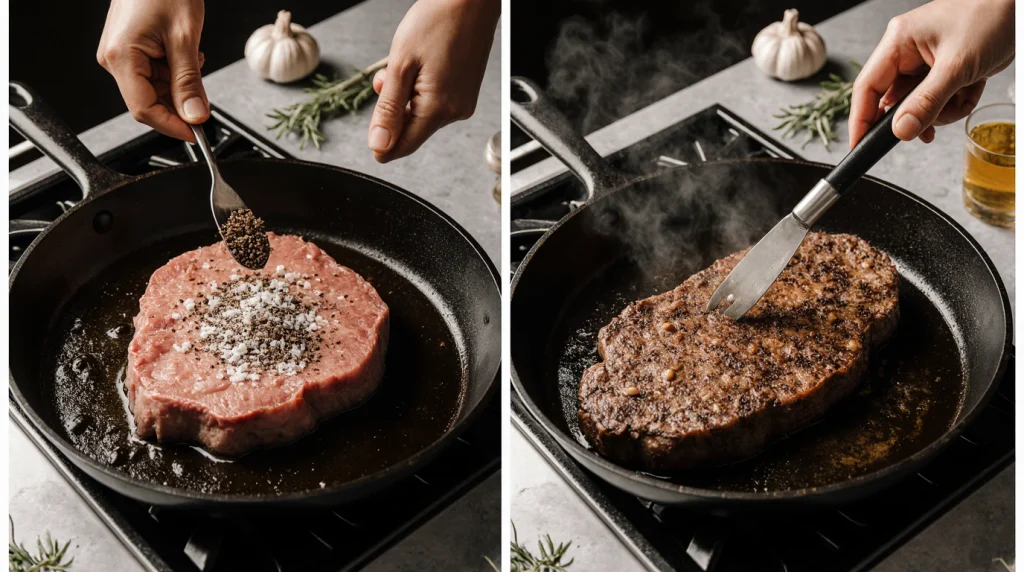
Eye of round steak desperately needs tenderizing, and marinades are your most powerful tool. The acids and enzymes in marinades break down tough proteins while infusing flavor.
Classic Tenderizing Marinade (makes enough for 1½-2 pounds):
- ⅓ cup soy sauce (provides salt and umami)
- ¼ cup olive oil (carries flavors and adds moisture)
- 3 tablespoons Worcestershire sauce (adds depth and acidity)
- 2 tablespoons balsamic vinegar (tenderizes with acidity)
- 3 cloves garlic, minced
- 1 tablespoon Dijon mustard
- 1 teaspoon black pepper
- 1 teaspoon dried rosemary or thyme
Marinating time matters: For best results, marinate eye of round steak for a minimum of 2 hours, but ideally 8-24 hours. The longer marinating time allows acids to penetrate deep into the dense muscle fibers. Place the steak and marinade in a zip-top bag, press out excess air, and refrigerate. Turn the bag occasionally to ensure even coverage.
Quick 30-Minute Option: If time is tight, use a fork to pierce the steak all over before marinating. This creates channels for faster penetration. Pineapple juice or papaya-based marinades work faster due to their powerful enzymes, but don’t exceed 30-45 minutes or the meat can become mushy.
Dry Rub Alternative (when time is extremely limited):
- 2 teaspoons kosher salt
- 1 teaspoon black pepper
- 1 teaspoon garlic powder
- 1 teaspoon smoked paprika
- ½ teaspoon onion powder
- ½ teaspoon dried oregano
Apply the dry rub generously to all surfaces at least 30 minutes before cooking, or up to 24 hours ahead. The salt will draw out moisture initially, then reabsorb, seasoning the meat throughout while helping to break down proteins.
Pantry Staples You’ll Need
Beyond your marinade or rub, keep these essentials on hand for cooking eye of round steak:
High smoke-point oil: Avocado oil, grapeseed oil, or refined coconut oil work best for high-heat searing (450°F+). Don’t use olive oil or butter for the initial sear—they’ll burn.
Finishing butter: Unsalted butter with fresh herbs (thyme, rosemary, or garlic) for basting during the last minutes of cooking adds richness and glossy finish.
Acid for deglazing: Red wine, beef broth, or balsamic vinegar helps create a quick pan sauce and adds another layer of flavor.
Fresh aromatics: Garlic cloves, shallots, fresh herbs, and black peppercorns elevate simple preparations into restaurant-quality dishes.
Quality salt: Kosher salt or flaky sea salt for seasoning. Table salt works in a pinch but requires less quantity due to its fine grain.
With your eye of round steak properly selected, prepped, and seasoned, you’re ready to apply the cooking techniques that will deliver tender, flavorful results.
Step-by-Step Cooking Instructions
Eye of round steak demands precise cooking to avoid toughness. I’ll walk you through multiple methods, but we’ll focus primarily on the reverse-sear technique, which consistently delivers the best results for this lean cut.
Pre-Cooking Prep
Before any heat touches your eye of round steak, complete these final steps:
Remove from marinade and pat dry. If you marinated your steak, remove it from the liquid and pat it completely dry with paper towels. Excess marinade will steam rather than sear, preventing proper browning.
Season generously. Even if you marinated the steak, add a final layer of kosher salt and freshly cracked black pepper to all surfaces. This creates a flavorful crust.
Preheat your cooking surface. Whether using a cast-iron skillet, grill, or oven, proper preheating is non-negotiable. A cold pan leads to sticking, steaming, and gray meat instead of a beautiful caramelized crust.
Set up your temperature monitoring. Have an instant-read meat thermometer ready. Guessing doneness by time alone with eye of round steak is a recipe for disappointment.
Cooking Method: Reverse Sear (Recommended for Best Results)
The reverse sear method cooks the steak gently in a low oven first, then finishes with a high-heat sear. This technique gives you maximum control and produces edge-to-edge even cooking with a perfect crust.
Step 1: Slow roast. Preheat your oven to 275°F. Place the eye of round steak on a wire rack set over a baking sheet. This allows air circulation around the entire steak. Roast until the internal temperature reaches 110-115°F for medium-rare (about 20-30 minutes depending on thickness), or 120°F for medium.
Step 2: Rest briefly. Remove the steak from the oven and let it rest for 5 minutes while you heat your skillet. This brief rest allows the temperature to equalize.
Step 3: Sear for crust. Heat a cast-iron skillet over high heat until smoking hot. Add 1 tablespoon of high smoke-point oil. Place the steak in the pan and sear for 45-60 seconds per side without moving it. You want a deep brown crust, not a burned exterior.
Step 4: Add finishing butter. In the last 30 seconds, add 2 tablespoons of butter, fresh thyme sprigs, and smashed garlic cloves. Tilt the pan and use a spoon to baste the melting butter over the steak continuously.
Alternative Cooking Method: Traditional Pan-Sear to Oven
For thicker steaks (1 inch or more), this method works well and takes less total time.
Step 1: High-heat sear. Heat your oven to 400°F. Heat a cast-iron skillet over high heat with 1 tablespoon oil. Sear the eye of round steak for 2 minutes per side until deeply browned.
Step 2: Finish in oven. Transfer the entire skillet to the preheated oven. Cook for 4-6 minutes for medium-rare, checking temperature frequently. Remove when the steak reaches 130-135°F internally.
Quick Method: Stir-Fry Slicing Technique
For the fastest cooking time, slice before cooking.
Step 1: Slice thin against the grain. After marinating, slice the eye of round steak into ¼-inch strips, cutting perpendicular to the muscle fibers.
Step 2: Flash cook. Heat a wok or large skillet over highest heat with 1 tablespoon oil until smoking. Add steak strips in a single layer (work in batches to avoid overcrowding). Cook for 1-2 minutes per side until browned but still slightly pink inside.
Slow-Cook Method: Braising for Fork-Tender Results
When you want fall-apart tenderness and have time, braising transforms eye of round steak.
Step 1: Sear for flavor. Brown the steak on all sides in a Dutch oven with oil over medium-high heat, about 3-4 minutes per side.
Step 2: Add liquid and aromatics. Add beef broth (enough to come halfway up the steak), along with onions, carrots, garlic, bay leaves, and fresh herbs.
Step 3: Low and slow. Cover and cook in a 300°F oven for 2½-3 hours, or until the meat is fork-tender and easily shreds. Alternatively, use a slow cooker on low for 6-8 hours.
Doneness Check: Getting Temperature Right
Internal temperature is everything with eye of round steak. Since it’s so lean, overcooking by even 5-10 degrees can turn it from tender to tough.
Temperature guide for eye of round steak:
- Rare: 120-125°F (not recommended for this cut—too chewy)
- Medium-rare: 130-135°F (ideal sweet spot for steaks)
- Medium: 135-145°F (acceptable but approaching toughness)
- Medium-well and beyond: 150°F+ (avoid—this cut becomes very tough)
How to check properly: Insert an instant-read thermometer into the thickest part of the steak, parallel to the cutting board, going in from the side. This gives the most accurate reading. Remember that temperature will rise another 5 degrees during resting (carryover cooking), so remove the steak 5 degrees before your target temperature.
Resting: The Critical Final Step
Never skip resting your eye of round steak. This step is when the magic happens.
Why resting matters: During cooking, heat drives juices toward the center of the meat. Cutting immediately causes all those flavorful juices to spill onto your cutting board instead of staying in the meat. Resting allows juices to redistribute evenly throughout.
How to rest properly: Transfer the cooked steak to a cutting board and tent loosely with aluminum foil. Let it rest for 5-10 minutes for steaks, or 15-20 minutes for larger roasts. The steak will continue cooking slightly during this time (carryover cooking), which is why you remove it from heat 5 degrees before your target.
Slice correctly: After resting, identify the direction of the muscle grain (the lines running through the meat). Using a sharp knife, slice thin (¼-inch) pieces perpendicular to the grain. This shortens the muscle fibers, making each bite more tender. Slicing with the grain instead of against it results in long, chewy fibers that are difficult to eat.
Pro Tips for Perfect Eye of Round Steak
Years of working with this challenging cut have taught me the subtle techniques that separate disappointing dinners from restaurant-quality results.
Avoiding Tough, Dry Meat
Never cook beyond medium. This is the golden rule for eye of round steak. With virtually no fat to keep it moist, anything beyond 145°F internal temperature becomes increasingly tough and dry. Medium-rare (130-135°F) is your target.
Don’t skip the marinade or mechanical tenderizing. While you can cook a ribeye with just salt and pepper, eye of round steak absolutely requires tenderizing through either acidic marinades, enzymatic marinades, or physical tenderizing with a mallet. This step is non-negotiable.
Avoid overcrowding the pan. When searing, leave at least an inch between pieces of meat. Overcrowding drops the pan temperature, causing the meat to steam and release moisture rather than brown. This results in gray, tough meat instead of a caramelized crust. Work in batches if necessary.
Use a meat thermometer religiously. Visual cues and timing are unreliable with eye of round steak due to its lean composition and varying thickness. A $15 instant-read thermometer is your best investment for consistent results.
Let it rest properly. Cutting into steak immediately after cooking guarantees dry meat as all the juices escape. The 5-10 minute rest period isn’t optional—it’s when moisture redistributes throughout the meat.
Slice thin and against the grain. Even perfectly cooked eye of round steak becomes chewy if sliced incorrectly. Always identify the direction of the muscle fibers and cut perpendicular to them in slices no thicker than ¼ inch.
Tool Recommendations for Success
The right equipment makes cooking eye of round steak significantly easier and more reliable.
Instant-read thermometer: This is your most important tool. Digital instant-read thermometers like the ThermoPop or Thermapen give accurate readings in under 3 seconds. Check temperature early and often during cooking.
Cast-iron skillet: The superior heat retention and distribution of cast iron creates better crusts than stainless steel or non-stick pans. A 12-inch skillet provides enough surface area to sear without overcrowding.
Meat mallet: A dual-sided meat pounder with textured and flat sides helps tenderize tough cuts mechanically. It’s especially useful before marinating or when you’re short on time.
Sharp chef’s knife: Slicing thin against the grain requires a truly sharp blade. Dull knives crush the meat fibers rather than cleanly cutting through them, resulting in raggedy slices and tougher texture.
Wire cooling rack: For the reverse-sear method, a wire rack elevates the steak above the pan, allowing air circulation and even cooking from all sides.
Vacuum sealer or quality zip-top bags: For marinating, removing air from the bag ensures the marinade stays in contact with all surfaces of the meat, improving penetration and flavor.
Storage and Reheating Without Drying Out
Eye of round steak is excellent for meal prep, but improper storage ruins your hard work.
Refrigerator storage: Let cooked steak cool to room temperature, then wrap tightly in plastic wrap or store in an airtight container. It will keep for 3-4 days in the refrigerator. For best quality, slice the steak only when you’re ready to eat rather than storing pre-sliced meat, which dries out faster.
Freezer storage: Wrap cooked eye of round steak tightly in plastic wrap, then again in aluminum foil or place in a freezer bag with air removed. Label with the date—it will maintain quality for 2-3 months. For even better results, slice the meat and freeze it submerged in beef broth or gravy, which protects it from freezer burn and adds moisture when reheating.
Reheating without drying: Never microwave eye of round steak—it guarantees tough, rubbery meat. Instead, use one of these gentle methods:
- Oven method: Place sliced steak in a baking dish with a few tablespoons of beef broth or water. Cover tightly with foil and warm in a 250°F oven for 15-20 minutes until heated through.
- Stovetop method: Heat a skillet over medium-low with a splash of broth or water. Add sliced steak, cover, and warm gently for 2-3 minutes per side.
- Sous vide method: If you have an immersion circulator, vacuum-seal the cooked steak and reheat at 130°F for 45 minutes. This brings it to serving temperature without any additional cooking.
Best uses for leftovers: Cold, thinly sliced eye of round steak works beautifully in sandwiches and salads where you don’t need to reheat it at all. This completely avoids the risk of overcooking during reheating.
Flavor Variations
Once you’ve mastered the basic technique, these variations keep eye of round steak exciting meal after meal.
Spicy Variations
Chipotle-Coffee Rub: Combine 2 tablespoons ground coffee, 1 tablespoon chipotle chili powder, 1 tablespoon brown sugar, 2 teaspoons smoked paprika, 1 teaspoon cumin, and 1 teaspoon black pepper. Rub generously on all surfaces 30 minutes before cooking. The coffee adds deep, earthy notes while the chipotle brings smoky heat.
Korean Gochujang Marinade: Mix ¼ cup gochujang paste, 3 tablespoons soy sauce, 2 tablespoons rice vinegar, 2 tablespoons sesame oil, 2 tablespoons honey, 4 minced garlic cloves, and 1 tablespoon grated ginger. Marinate for 8-24 hours, then cook using the stir-fry slicing method. Serve over rice with pickled vegetables.
Cajun Blackened Style: Combine 2 tablespoons paprika, 1 tablespoon cayenne pepper, 1 tablespoon garlic powder, 1 tablespoon onion powder, 2 teaspoons oregano, 2 teaspoons thyme, 1 teaspoon black pepper, and 1 teaspoon white pepper. Press the spice mixture into all surfaces of the steak and sear in a screaming-hot cast-iron skillet for intense crust and heat.
Low-Carb and Keto-Friendly Options
Eye of round steak is naturally perfect for low-carb diets—lean protein with zero carbohydrates.
Keto Herb Butter Topping: After cooking, top each portion with a pat of compound butter made from softened butter mixed with minced garlic, fresh parsley, chives, lemon zest, and salt. The added fat keeps the meal satisfying while staying keto-compliant.
Paleo Balsamic Reduction: Skip sugar-based marinades and instead make a paleo-friendly pan sauce. After searing your steak, deglaze the pan with ½ cup balsamic vinegar and ½ cup beef broth. Simmer until reduced by half, creating a tangy, slightly sweet sauce that’s compliant with paleo guidelines.
Whole30 Compliant Preparation: Use a simple marinade of olive oil, coconut aminos (instead of soy sauce), balsamic vinegar, garlic, and fresh herbs. Avoid any marinades containing sugar, soy, or grains. Serve with roasted vegetables and cauliflower mash.
Global Flavor Profiles
Italian Herb Crust: Combine ¼ cup minced fresh basil, 2 tablespoons fresh oregano, 2 tablespoons fresh parsley, 4 minced garlic cloves, ¼ cup olive oil, 2 tablespoons lemon juice, salt, and pepper. Marinate for 4-8 hours, then cook and serve sliced over arugula with shaved Parmesan and balsamic glaze.
Argentinian Chimichurri: Prepare traditional chimichurri sauce with 1 cup fresh parsley, ½ cup fresh cilantro, 4 garlic cloves, ½ cup olive oil, ¼ cup red wine vinegar, 1 teaspoon red pepper flakes, and salt. Serve generously over sliced steak for bright, herbaceous flavor that complements the beef’s natural taste.
Asian Sesame-Ginger: Marinate in ⅓ cup soy sauce, 3 tablespoons rice vinegar, 2 tablespoons sesame oil, 2 tablespoons honey, 3 tablespoons minced ginger, 4 minced garlic cloves, and 1 tablespoon toasted sesame seeds. After cooking, garnish with sliced green onions and additional sesame seeds. Perfect for serving over rice or noodles.
Mediterranean Yogurt Marinade: Combine 1 cup plain Greek yogurt, juice of 1 lemon, 3 minced garlic cloves, 2 teaspoons cumin, 1 teaspoon coriander, 1 teaspoon paprika, and salt. The yogurt’s lactic acid tenderizes while creating creamy, tangy flavor. Marinate for 8-24 hours, then grill and serve with tzatziki sauce and pita.
French Bistro Style: Marinate in red wine with shallots, thyme, and bay leaves for 8 hours. After cooking, create a pan sauce by sautéing sliced shallots in butter, deglazing with red wine and beef broth, and finishing with a touch of Dijon mustard and fresh tarragon. Serve with crispy frites and haricots verts.
Serving Suggestions
The right accompaniments and presentation can elevate your perfectly cooked eye of round steak from simple weeknight dinner to memorable meal.
Side Dish Pairings
Classic Steakhouse Sides: Creamy garlic mashed potatoes, roasted Brussels sprouts with bacon, or loaded baked potato provide rich, comforting accompaniments that balance the lean meat. A simple arugula salad with lemon vinaigrette cuts through richness and adds freshness.
Lighter, Vegetable-Forward Options: Since eye of round steak is so lean, you can afford richer sides without guilt. Try roasted root vegetables (carrots, parsnips, and sweet potatoes) tossed with olive oil and thyme. Grilled asparagus with lemon and Parmesan is elegant and quick. Cauliflower mash provides a lower-carb alternative to traditional mashed potatoes.
Grain-Based Sides: Creamy polenta, wild rice pilaf, or garlic bread are excellent for soaking up pan sauces and juices. Pearl couscous with herbs and toasted pine nuts adds Mediterranean flair. For Asian-inspired preparations, serve over jasmine rice or alongside sesame noodles.
Quick Weeknight Options: Frozen vegetables work perfectly fine for busy evenings—steam broccoli or green beans and toss with butter and garlic salt. Pre-washed salad greens with a quality bottled dressing save time without sacrificing nutrition.
Wine and Beverage Pairings
Red Wines: The beefy flavor of eye of round steak pairs beautifully with medium to full-bodied red wines. Cabernet Sauvignon offers classic pairing with its tannins and dark fruit notes. Malbec from Argentina provides softer tannins with plum and chocolate notes. For Italian preparations, try Chianti or Sangiovese. If you prefer lighter reds, Pinot Noir works well with herb-crusted preparations.
Beer Pairings: Rich, malty beers complement beef’s savory flavors. Try an amber ale or brown ale for balanced maltiness. For spicy variations, a crisp pilsner or hefeweizen cools the heat. Porter or stout works beautifully with coffee-rubbed or blackened preparations.
Non-Alcoholic Options: If you’re not drinking alcohol, try sparkling water with lemon or a quality ginger beer. Unsweetened iced tea with lemon provides a refreshing contrast. For special occasions, consider a premium grape juice or pomegranate juice—the tannins in these juices mimic some qualities of red wine.
Creative Serving Ideas
Steak Sandwich: Slice leftover eye of round steak thin and pile onto crusty bread or hoagie rolls with caramelized onions, sautéed peppers, and provolone cheese. Toast under the broiler for a melty, satisfying sandwich.
Steak Salad: Top mixed greens with sliced steak, cherry tomatoes, crumbled blue cheese, candied pecans, and balsamic vinaigrette for a restaurant-quality salad that’s perfect for lunch or light dinner.
Steak Tacos: Dice or slice the cooked steak and serve in warm tortillas with pico de gallo, cotija cheese, lime wedges, and cilantro for quick, flavorful tacos.
Grain Bowl: Build a nutritious bowl with quinoa or brown rice as the base, add sliced steak, roasted vegetables, avocado, and drizzle with tahini or chimichurri sauce.
Steak and Eggs: Slice leftover steak thin and serve alongside fried or scrambled eggs, hash browns, and toast for a protein-packed breakfast that will keep you satisfied all morning.
Frequently Asked Questions
Can I use frozen eye of round steak?
Yes, but thaw it properly first. Never cook eye of round steak from frozen—the uneven cooking will leave you with a tough exterior and raw center. Thaw in the refrigerator overnight (about 24 hours for a 1-pound steak) or use the cold-water method: seal the steak in a plastic bag and submerge in cold water, changing the water every 30 minutes until thawed (2-3 hours). Avoid microwave thawing, which creates hot spots and partially cooks the meat unevenly.
How do I fix overcooked eye of round steak?
Unfortunately, there’s no way to reverse overcooking, but you can salvage tough, dry steak with these methods: Slice it very thin against the grain and serve it with plenty of sauce or gravy to add moisture. Dice it and use it in stews, chilis, or stir-fries where additional liquid cooking will help soften it. Shred it and simmer it in beef broth or barbecue sauce for sandwiches or tacos. The added moisture and extended cooking time will help break down the tough fibers.
Is eye of round steak safe for pregnant women?
Yes, as long as it’s cooked to the USDA-recommended safe internal temperature of 145°F (medium), followed by a 3-minute rest. Pregnant women should avoid rare or medium-rare preparations due to the risk of foodborne illness from bacteria like E. coli or Salmonella. While this guide generally recommends medium-rare for best texture, pregnant individuals should prioritize food safety and cook to at least medium. To keep the steak from becoming too tough at this higher temperature, use a long marinating time (24 hours) and slice very thin against the grain before serving.
Why is my eye of round steak still tough even after marinating?
Several factors could be at play: You may not have marinated long enough—eye of round needs at least 2 hours, but 8-24 hours is ideal for this dense cut. You might have overcooked it past medium, which makes any lean cut tough regardless of preparation. You could be slicing with the grain instead of against it—always identify the direction of muscle fibers and cut perpendicular to them. Finally, your marinade might lack sufficient acid or enzymes to tenderize effectively—ensure you’re using ingredients like vinegar, citrus juice, wine, or enzymatic tenderizers from pineapple or papaya.
Can I cook eye of round steak in an air fryer?
Yes, but with modifications. Preheat your air fryer to 400°F. Pat the marinated steak completely dry and brush lightly with oil. Cook for 8-10 minutes for medium-rare (130-135°F), flipping halfway through. The air fryer works best for steaks 1 inch thick or less. Check temperature frequently, as cooking times vary by air fryer model. While you won’t get the same crust as a cast-iron skillet, the air fryer provides a hands-off method that produces acceptable results.
What’s the difference between eye of round and sirloin?
Eye of round comes from the rear leg (round primal) and is one of the leanest, toughest cuts. It requires careful cooking and tenderizing techniques. Sirloin comes from the back of the cow between the short loin and round, and includes several sub-cuts (top sirloin, sirloin tip). Sirloin has more marbling and natural tenderness, making it more forgiving to cook. While both are considered budget-friendly compared to premium cuts, sirloin is typically more expensive than eye of round steak. If you’re new to cooking tougher cuts, sirloin is more forgiving, but eye of round offers better value when you master the techniques.
How long does marinated eye of round steak last in the refrigerator?
Raw eye of round steak in marinade will keep safely for 3-5 days in the refrigerator. In fact, the longer marinating time improves tenderness and flavor for this tough cut. Always marinate in the refrigerator, never at room temperature, to prevent bacterial growth. Use a zip-top bag or non-reactive container (glass or plastic, not aluminum which can react with acidic marinades). If you’re not cooking within 5 days, freeze the steak in its marinade—it will keep for 2-3 months and will marinate as it thaws.
Can I cook eye of round steak in a slow cooker?
Absolutely, and it’s one of the best methods for this cut. Season or marinate the steak, then sear it briefly in a hot skillet to develop flavor. Place it in the slow cooker with beef broth, aromatics (onions, garlic, carrots), and herbs. Cook on low for 6-8 hours until fork-tender and shreddable. The extended cooking time in liquid breaks down the tough connective tissue completely. This method works beautifully for pot roast, shredded beef sandwiches, or beef stew. Just remember that slow cooking takes the meat well beyond medium, but the moist heat compensates by making it fall-apart tender rather than tough.
Should I bring eye of round steak to room temperature before cooking?
Yes, absolutely. Remove the steak from the refrigerator 30-45 minutes before cooking. Cold meat straight from the fridge cooks unevenly—the exterior overcooks before the center reaches the proper temperature. Room temperature meat cooks more uniformly, develops better crust, and requires less overall cooking time. This is especially important for lean cuts like eye of round where every degree of temperature matters. However, never leave raw meat at room temperature for more than 2 hours for food safety reasons.
What causes eye of round steak to be chewy?
Chewiness comes from several factors: Eye of round naturally has long, dense muscle fibers with minimal fat and connective tissue, making it inherently tougher than well-marbled cuts. Overcooking past medium causes the muscle proteins to tighten and squeeze out moisture. Slicing with the grain (parallel to muscle fibers) instead of against it leaves long, tough strands. Insufficient tenderizing through marinating or mechanical methods fails to break down those tough fibers. Finally, cooking straight from cold causes uneven cooking with a tough exterior. Address all these factors for the most tender results.
Can I substitute eye of round steak in recipes calling for other cuts?
It depends on the recipe. Eye of round works well as a substitute in recipes calling for similarly lean, tough cuts like bottom round, top round, or London broil. It can replace flank steak or skirt steak in fajitas, stir-fries, or thinly sliced applications. However, don’t substitute eye of round for tender, well-marbled cuts like ribeye, strip steak, or tenderloin—the results will be disappointing since those recipes don’t account for the tenderizing and careful cooking this cut requires. When substituting, always add a marinating step even if the original recipe doesn’t call for one.
How do I know if my eye of round steak has gone bad?
Fresh eye of round steak should be bright red to deep red in color with a clean, slightly metallic smell. Signs of spoilage include: a sour, ammonia-like, or unpleasant odor; gray, brown, or greenish discoloration (note that some browning on vacuum-sealed meat is normal and will return to red after exposure to air); a slimy or sticky texture instead of moist and firm; or any visible mold growth. When in doubt, throw it out. Never taste suspicious meat to test it—foodborne bacteria can make you seriously ill. Trust your nose first—bad meat has an unmistakable off-putting smell.
Is eye of round steak healthy?
Yes, eye of round steak is one of the healthiest beef options available. A 3-ounce cooked serving contains approximately 140-160 calories, 24-26 grams of protein, and only 4-5 grams of fat, with less than 2 grams of saturated fat. It’s an excellent source of iron, zinc, vitamin B12, and selenium. The extremely lean profile makes it perfect for high-protein, low-fat diets including bodybuilding, weight loss, and heart-healthy eating plans. It’s naturally carb-free and works for keto, paleo, and Whole30 diets. Just watch your sodium intake if using salty marinades, and pair with plenty of vegetables for a balanced meal.
Conclusion
Transforming eye of round steak from a challenging, budget cut into tender, flavorful perfection is absolutely achievable when you apply the right techniques. The key lies in understanding the meat’s lean, dense nature and treating it accordingly—with proper marinating, precise temperature control, adequate resting, and correct slicing against the grain.
Don’t let past disappointments with this cut discourage you. Armed with the methods in this guide, you can consistently produce eye of round steak that rivals more expensive options at a fraction of the cost. Whether you’re searing it quickly for weeknight dinners, slow-braising it until fork-tender, or slicing it thin for sandwiches and salads, you now have multiple approaches to suit any schedule or occasion.
Ready to put these techniques into action? Fire up your grill or heat that cast-iron skillet tonight! Start with the reverse-sear method and a simple marinade, and experience firsthand how proper technique transforms this underrated cut. Your wallet—and your taste buds—will thank you.
Join thousands of home cooks who’ve mastered budget-friendly beef cuts! If this guide helped you achieve tender, delicious eye of round steak, share your results and any tips you discovered along the way. Every cook brings their own insights to perfecting challenging cuts.
Want to expand your meat-cooking skills? Try our comprehensive guide to Slow-Cooker Pot Roast with Root Vegetables next, or learn the secrets of Perfect Pan-Seared Pork Chops for another affordable protein option. Both guides use similar principles of understanding the meat and applying appropriate techniques for consistent success.
Now get cooking—that perfectly tender, flavorful eye of round steak is waiting for you!