
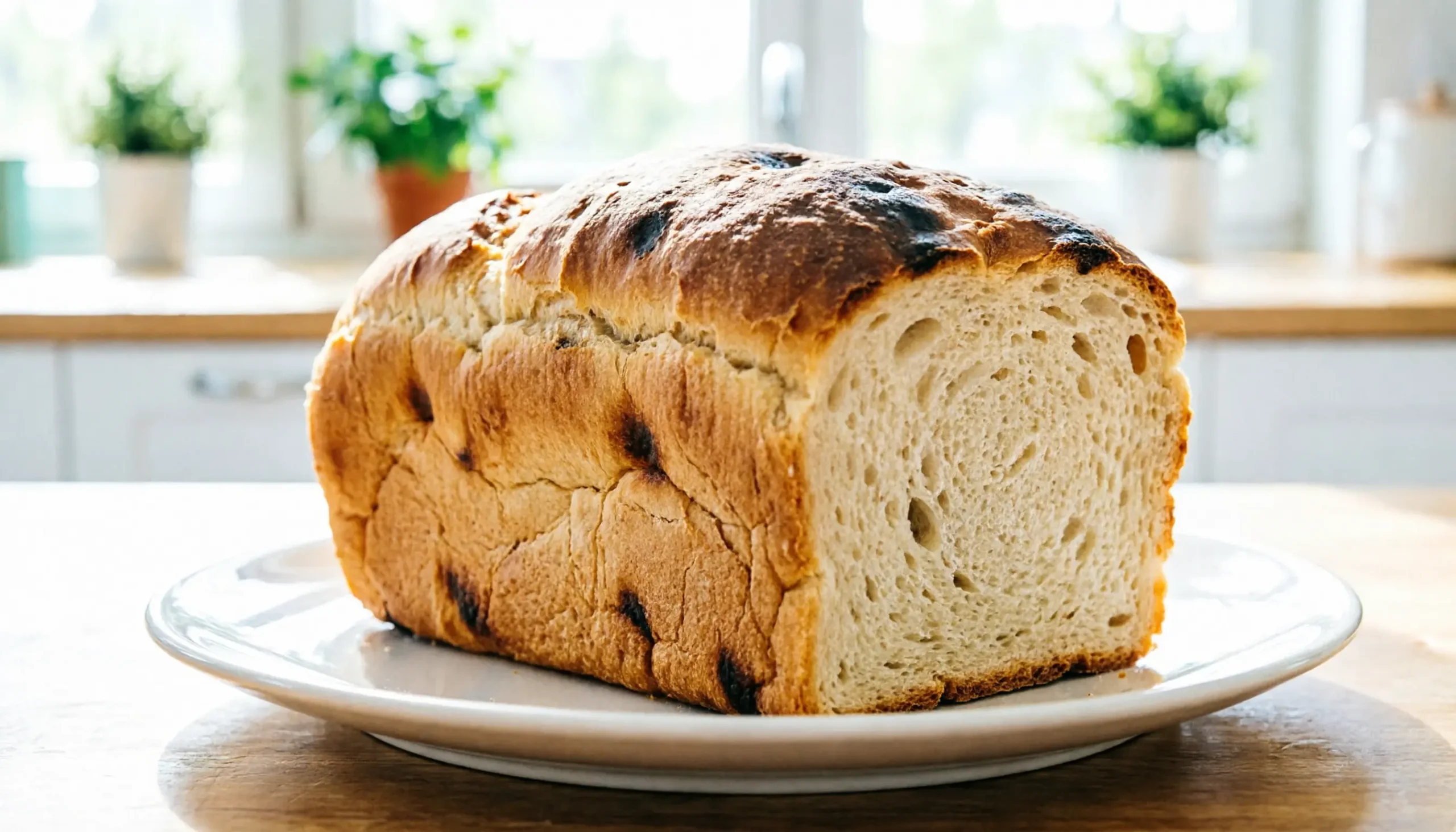
The Best Homemade Sourdough Bread (Soft Texture & Golden Crust)
Table of Contents
There is something incredibly comforting about baking your own bread at home. The smell that fills the kitchen, the golden crust fresh out of the oven, and that first warm slice with butter melting on top — it’s an experience that never gets old.
This homemade sourdough bread recipe is perfect for anyone who loves traditional bread with a soft interior and a rich, slightly sweet flavor. Unlike rustic artisan sourdough with a strong tang, this version creates a milder, sandwich-style loaf that’s fluffy, tender, and family-friendly.
Yes, it requires an overnight rise — but that slow fermentation is exactly what gives this bread its wonderful texture and depth of flavor.
If you’re looking for a reliable, easy sourdough bread recipe that delivers consistent results, you’re in the right place.
Why You’ll Love This Sourdough Bread
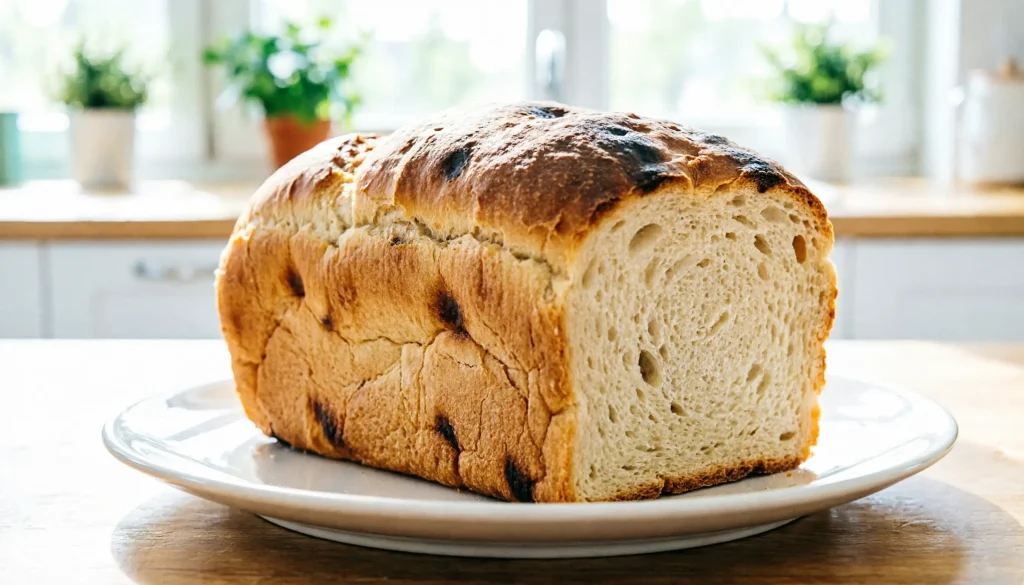
This recipe stands out because it balances simplicity and flavor. It uses basic pantry ingredients and doesn’t require complicated shaping techniques.
Here’s what makes it special:
- Soft and tender crumb
- Beautiful golden-brown crust
- Mild sourdough flavor (not overpowering)
- Perfect for sandwiches and toast
- Freezer-friendly
It’s an excellent everyday bread that works just as well for breakfast toast as it does for grilled sandwiches.
Ingredients You’ll Need
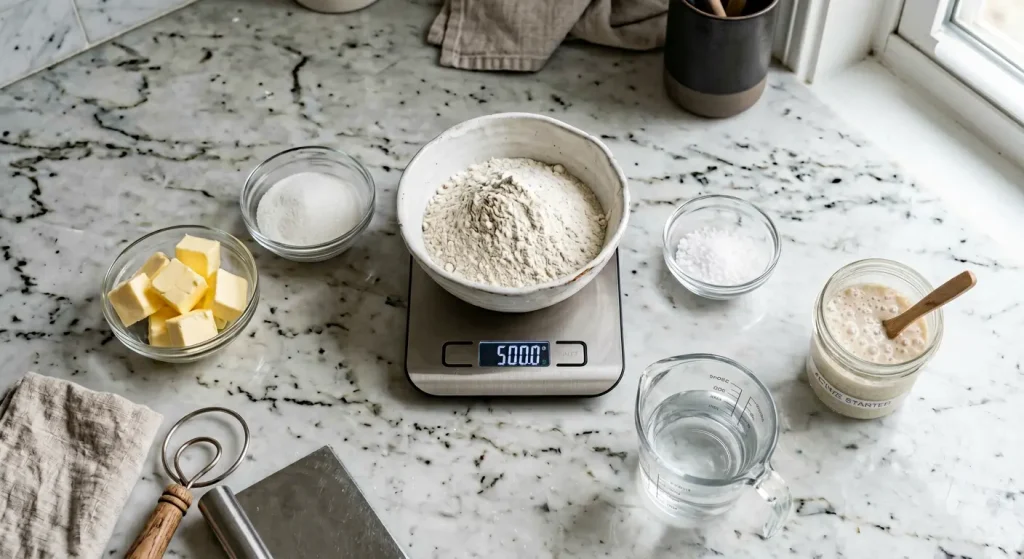
This recipe uses simple ingredients that work together to create a balanced, slightly sweet sourdough loaf.
- 1 ½ cups warm water
- 1 cup active sourdough starter
- ½ cup corn oil
- ½ cup white sugar
- 1 ½ teaspoons salt
- 6 cups bread flour
Tip: Make sure your sourdough starter is active and bubbly before using it. A well-fed starter makes a big difference in the final texture.
Step-by-Step: How to Make Sourdough Bread
Step 1: Mix the Dough
In a large bowl, combine the warm water, sourdough starter, corn oil, sugar, and salt. Stir until everything is well blended.
Gradually add the bread flour, mixing as you go. Continue until a soft dough forms. It should be slightly tacky but manageable.
Step 2: Overnight Fermentation
Lightly oil the dough and place it into a greased bowl. Cover with a clean towel or plastic wrap.
Let the dough rise overnight at room temperature (about 8–12 hours). During this time, the fermentation process develops flavor and structure.
By morning, the dough should look puffed and airy.
Step 3: Knead and Shap
Grease two 8×4-inch loaf pans.
Transfer the dough to a lightly floured surface and knead for about 10 minutes until smooth and elastic.
Divide the dough evenly into two portions and shape each into a loaf. Place them into the prepared pans.
Cover and let rise again until doubled in size. This second rise ensures a light, fluffy interior.
Step 4: Bake to Golden Perfection
Preheat your oven to 350°F (175°C).
Bake the loaves for 40 to 45 minutes, or until the tops turn a rich golden brown.
To check if the bread is done, remove a loaf from the pan and gently tap the bottom. If it sounds hollow, it’s ready.
Let the bread cool on a wire rack before slicing. Cutting too early may affect the texture.
Baking Tips for Success
Even simple bread recipes benefit from a few expert tips:
- Use room temperature ingredients for better fermentation.
- Avoid adding too much flour while kneading — this keeps the bread soft.
- Allow the bread to cool completely before storing.
- Store at room temperature in an airtight container for up to 4 days.
For longer storage, slice and freeze the bread. It toasts beautifully straight from frozen.
What Makes Overnight Sourdough Better?
The slow overnight rise allows natural fermentation to develop deeper flavor. It also improves texture and makes the bread easier to digest compared to quick-rise recipes.
This method requires patience, but very little active work — making it ideal even for busy schedules.
Frequently Asked Questions
Can I substitute the corn oil?
Yes. You can use vegetable oil or light olive oil. Choose a neutral oil for best flavor.
Can I reduce the sugar?
You can slightly reduce it, but it helps balance the sourdough flavor and keeps the crumb soft.
Is this bread very sour?
No. This recipe produces a mild sourdough flavor that most people enjoy.
Final Thoughts
Homemade sourdough bread doesn’t have to be intimidating. With simple ingredients and a little patience, you can create two beautiful loaves that rival bakery-quality bread.
Whether you enjoy it toasted with butter, layered into sandwiches, or served alongside soup, this sourdough bread recipe is one you’ll come back to again and again.