
Southern Meatloaf Recipe – Comfort in Every Bite
Table of Contents
Tired of bland, crumbly meatloaf that falls apart on your plate? You’re not alone. Too many home cooks struggle with dry, flavorless meatloaf that’s nothing like the comforting dish grandma used to make.
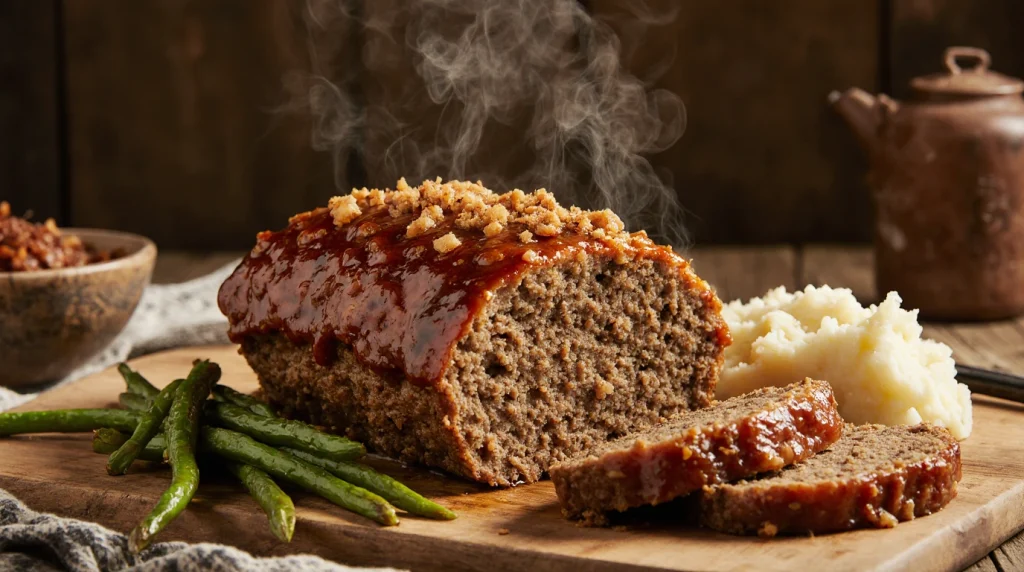
This Southern Meatloaf recipe changes everything. With a perfectly caramelized glaze, tender interior, and bold savory flavors, every slice delivers the soul-warming comfort you’ve been craving. It’s moist, flavorful, and holds together beautifully—exactly what meatloaf should be.
As someone who grew up in the heart of the South and spent years perfecting family recipes in my kitchen, I’ve learned the secrets that transform ordinary meatloaf into something extraordinary. The key lies in the meat blend, the binding technique, and that signature tangy-sweet glaze that makes Southern Meatloaf unforgettable.
In this guide, you’ll discover how to select the perfect meat combination, master the mixing technique that prevents crumbling, create that iconic glaze, and avoid common mistakes that lead to dry, disappointing results. Plus, I’ll share pro tips for make-ahead prep and creative variations to suit any taste.
Why This Southern Meatloaf Recipe Works
This isn’t just another meatloaf recipe—it’s a time-tested formula that delivers comfort food perfection every single time. Here’s why it works:
- Uses an affordable meat blend that’s easy to find at any grocery store, combining ground beef and pork for the ideal flavor and texture balance
- Comes together in just 15 minutes of hands-on prep, making it perfect for busy weeknights when you need a satisfying meal without the stress
- Features a tangy-sweet glaze with ketchup, brown sugar, and a hint of vinegar that caramelizes beautifully in the oven
- Stays incredibly moist thanks to a secret ingredient (hello, sautéed vegetables!) that adds moisture without making it mushy
- Feeds a crowd or provides leftovers that taste even better the next day in sandwiches or reheated for quick lunches
- Works for any occasion—from casual weeknight dinners to potlucks, Sunday suppers, and holiday gatherings where you need reliable comfort food
The magic of Southern Meatloaf lies in its simplicity and foolproof technique. You don’t need fancy ingredients or complicated steps—just quality meat, flavorful mix-ins, and the right baking method to achieve that perfect balance of crusty exterior and tender, juicy interior.
Choosing the Right Meat
The foundation of exceptional Southern Meatloaf starts with selecting the right meat. This decision impacts everything from flavor to texture to moisture.
Best Meat Blend for Southern Meatloaf
Traditional Southern Meatloaf uses a combination of ground beef (80/20 blend) and ground pork in a 2:1 ratio. Here’s why this blend is superior:
Ground beef (80/20) provides the main structure and classic beefy flavor. The 80/20 ratio means 80% lean meat and 20% fat, which is crucial for keeping your meatloaf moist without making it greasy. Leaner beef (90/10 or higher) will result in a dry, dense loaf.
Ground pork adds richness, subtle sweetness, and extra moisture. Pork fat has a lower melting point than beef fat, which helps create that melt-in-your-mouth texture. It also contributes a slightly sweet undertone that complements the tangy glaze perfectly.
For the ultimate Southern Meatloaf, use 2 pounds of 80/20 ground beef mixed with 1 pound of ground pork. This 2:1 ratio delivers robust beef flavor while the pork keeps everything tender and juicy.
Buying Tips for Quality Meat
At the butcher counter:
- Look for bright red ground beef with visible white fat marbling throughout—avoid grayish or brown-tinged meat
- Ask your butcher to grind a fresh chuck roast for you if available; freshly ground meat has superior flavor and texture
- Choose ground pork that’s pale pink (not gray) with fine, evenly distributed fat
Package selection:
- Check the sell-by date and choose the freshest package available
- Avoid packages with excessive liquid pooling at the bottom, which indicates the meat has been sitting too long
- Press the package gently—the meat should spring back, not leave an indentation
Temperature matters:
- Keep ground meat refrigerated until you’re ready to use it
- If you’re not cooking within 24 hours of purchase, freeze immediately to maintain quality
Meat Substitutions
Need to adapt this Southern Meatloaf? Here are tested alternatives:
Ground turkey substitution: Replace beef and pork with 3 pounds of ground turkey (93/7 blend). Add an extra 2 tablespoons of olive oil to the mixture and increase the sautéed vegetables to compensate for turkey’s leaner profile. The result will be lighter but still flavorful.
All-beef version: Use 3 pounds of 80/20 ground beef if pork isn’t available. Your meatloaf will be slightly denser but still delicious with a more pronounced beef flavor.
Venison or game meat: Hunters can substitute 1-2 pounds of ground venison for beef, but keep at least 1 pound of ground pork to add necessary fat content, as venison is extremely lean.
Budget-friendly option: If cost is a concern, use 100% ground beef (80/20) and add 2 tablespoons of melted butter to the mixture for extra moisture and richness.
Ingredients & Prep
Meat Prep Essentials
Proper meat preparation is the difference between a meatloaf that holds together beautifully and one that crumbles apart. Follow these essential steps:
Bring meat to room temperature: Remove ground beef and pork from the refrigerator 20-30 minutes before mixing. Cold meat doesn’t combine evenly and can result in tough, dense texture.
Don’t overmix: This is the cardinal rule of meatloaf. Overworking the meat develops too much gluten from the breadcrumbs and creates a tough, rubbery texture. Mix ingredients just until combined—it should look slightly marbled, not completely uniform.
Use wet hands: When shaping your meatloaf, keep your hands slightly damp to prevent the mixture from sticking and to achieve a smooth surface.
Create a free-form loaf: Shape the meat on a foil-lined baking sheet rather than packing it into a loaf pan. This allows fat to drain away and the glaze to caramelize on all sides, creating that signature crusty exterior.
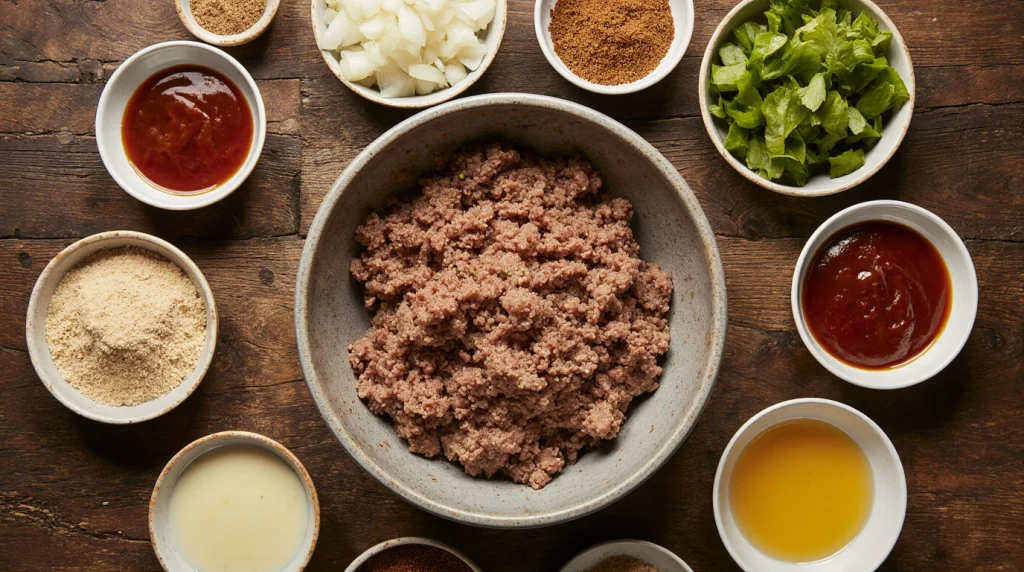
The Perfect Southern Meatloaf Mixture
For the meat base:
- 2 pounds ground beef (80/20 blend)
- 1 pound ground pork
- 1 cup breadcrumbs (plain or Italian-seasoned)
- 2 large eggs, lightly beaten
- ¾ cup whole milk
- 1 medium onion, finely diced and sautéed
- 1 bell pepper (red or green), finely diced and sautéed
- 3 cloves garlic, minced and sautéed
- 2 tablespoons Worcestershire sauce
- 1 tablespoon Dijon mustard
- 1 ½ teaspoons salt
- 1 teaspoon black pepper
- 1 teaspoon smoked paprika
- ½ teaspoon dried thyme
For the iconic glaze:
- 1 cup ketchup
- ⅓ cup brown sugar (light or dark)
- 2 tablespoons apple cider vinegar
- 1 tablespoon Worcestershire sauce
- 1 teaspoon yellow mustard
The secret ingredient: Sautéing the onions, bell peppers, and garlic before adding them to the meat mixture is crucial. This step removes excess moisture that could make your meatloaf soggy while concentrating the flavors. Let these vegetables cool completely before mixing them with the meat.
Essential Prep Steps
- Prepare the panade: Combine breadcrumbs and milk in a small bowl and let sit for 5 minutes. This creates a panade—a paste that keeps the meatloaf moist and tender by preventing the proteins from binding too tightly.
- Sauté the vegetables: Heat 1 tablespoon of olive oil in a skillet over medium heat. Cook the diced onion and bell pepper for 5-7 minutes until softened, then add garlic and cook for 1 more minute. Remove from heat and let cool completely.
- Mix the glaze: Whisk together all glaze ingredients in a bowl until the brown sugar dissolves. Set aside half for basting during cooking and reserve the other half for serving.
- Prep your baking sheet: Line a rimmed baking sheet with aluminum foil and lightly spray with cooking spray. This makes cleanup easy and prevents sticking.
Pantry Staples You’ll Need
Binding agents:
- Breadcrumbs (or crushed crackers, oats, or panko as alternatives)
- Eggs to hold everything together
Flavor builders:
- Worcestershire sauce for umami depth
- Dijon mustard for tang and complexity
- Smoked paprika for that subtle Southern smokiness
Acids for balance:
- Apple cider vinegar in the glaze cuts through richness
- Ketchup provides both acidity and sweetness
Aromatics:
- Fresh onion, garlic, and bell pepper create the flavor foundation
With everything prepped and ready, you’re set up for Southern Meatloaf success. The key is organization—have all your ingredients measured and prepared before you start combining the meat mixture.
Step-by-Step Cooking Instructions
Pre-Cooking Prep
Step 1: Preheat your oven to 350°F (175°C). Position the rack in the center of the oven for even heat distribution.
Step 2: Prepare your binding mixture. In a large mixing bowl, combine the breadcrumbs and milk. Stir gently and let this panade rest for 5 minutes until the breadcrumbs absorb all the liquid and become paste-like.
Step 3: Sauté the vegetables. Heat olive oil in a skillet over medium heat. Add diced onion and bell pepper, cooking for 5-7 minutes until softened and translucent. Add minced garlic and cook for another minute until fragrant. Transfer to a plate and let cool completely—adding hot vegetables to raw meat can create food safety issues.
Step 4: Combine the wet ingredients. To the breadcrumb mixture, add beaten eggs, Worcestershire sauce, Dijon mustard, and the cooled sautéed vegetables. Stir until everything is well incorporated.
Step 5: Add seasonings. Mix in salt, black pepper, smoked paprika, and dried thyme. Give everything a good stir to distribute the seasonings evenly throughout the wet mixture.
Mixing and Shaping the Southern Meatloaf
Step 6: Add the meat. Place the ground beef and ground pork on top of your wet mixture. Here’s the critical technique: use your hands to gently fold and lift the meat into the mixture, working from the bottom up. Avoid squeezing or kneading—think of it like folding whipped cream into batter. Mix just until you no longer see large streaks of unmixed meat, about 1-2 minutes. The mixture should look slightly marbled.
Step 7: Shape the loaf. Transfer the meat mixture to your prepared foil-lined baking sheet. With damp hands, shape it into a loaf approximately 10 inches long, 5 inches wide, and 3 inches tall. The free-form shape allows the glaze to coat all sides and lets excess fat drain away.
Step 8: Apply the first glaze layer. Using a pastry brush or the back of a spoon, spread about half of your prepared glaze evenly over the top and sides of the meatloaf. Reserve the remaining glaze for basting and serving.
Cooking Your Southern Meatloaf
Step 9: Initial bake. Place the meatloaf in the preheated oven and bake for 45 minutes uncovered. This first phase allows the exterior to begin setting and developing that signature crust.
Step 10: Baste with glaze. After 45 minutes, remove the meatloaf from the oven and brush on another layer of glaze. This creates multiple layers of caramelized flavor.
Step 11: Finish baking. Return the meatloaf to the oven and continue baking for an additional 20-30 minutes. The total cooking time is approximately 1 hour and 15 minutes, but doneness should always be confirmed with a thermometer.
Checking for Perfect Doneness
Step 12: Temperature check. Insert an instant-read meat thermometer into the center of the meatloaf. You’re looking for an internal temperature of 160°F (71°C). This is the USDA-recommended safe temperature for ground beef and pork. At this temperature, your Southern Meatloaf will be fully cooked, juicy, and safe to eat.
Visual cues: The exterior should be deeply caramelized and dark brown, with the glaze creating a glossy, slightly crusty coating. The edges may pull away slightly from the meat, and you should see clear juices (not pink) pooling around the base.
Avoid these mistakes:
- Don’t cut into the meatloaf to check doneness—this releases all the precious juices
- Don’t rely solely on cooking time; oven temperatures vary, and loaf size affects cooking duration
- Don’t remove the meatloaf at 155°F thinking carryover cooking will finish it; ground meat must reach 160°F for safety
Resting Period (Critical Step!)
Step 13: Rest before slicing. Once your Southern Meatloaf reaches 160°F, remove it from the oven and tent it loosely with aluminum foil. Let it rest for 10-15 minutes before slicing.
Why resting matters: This resting period allows the meat proteins to relax and reabsorb the juices. If you slice immediately, all those flavorful juices will run out onto the cutting board, leaving you with dry slices. Resting ensures every bite is moist and tender.
Step 14: Slice and serve. Use a sharp knife to cut the meatloaf into 1-inch thick slices. For clean cuts, wipe the knife blade between slices. Serve with the reserved glaze drizzled over the top or on the side for dipping.
Your Southern Meatloaf should slice cleanly without crumbling, with a moist, tender interior and a beautifully caramelized glaze coating every piece. The aroma of savory meat, sweet glaze, and subtle smokiness should fill your kitchen—that’s the smell of Southern comfort at its finest.
Pro Tips for Perfect Southern Meatloaf
Avoiding Tough or Dry Meatloaf
Don’t overwork the meat. The single biggest mistake home cooks make is overmixing. When you knead and squeeze the meat mixture, you develop the proteins too much, resulting in a dense, tough texture. Mix gently and briefly—just until ingredients are combined.
Use the right meat-to-binder ratio. Your breadcrumb and milk panade should make up about 15-20% of your total mixture. Too much filler makes the meatloaf taste like bread; too little makes it dense and prone to cracking.
Avoid lean meat. The 80/20 ground beef is non-negotiable for juicy Southern Meatloaf. Leaner blends (90/10 or 93/7) will always produce dry results, no matter how carefully you cook them.
Don’t skip the rest. Those 10-15 minutes of resting time allow the meat to reabsorb moisture. Cutting too soon equals dry, crumbly slices.
Baste strategically. The multiple layers of glaze don’t just add flavor—they create a moisture-sealing crust that keeps the interior juicy. Don’t skip the mid-cooking baste.
Watch your oven temperature. Cooking at too high a temperature (above 375°F) will cause the exterior to dry out before the interior cooks through. The steady 350°F ensures even cooking from edge to center.
Essential Tool Recommendations
Instant-read thermometer: This is your most important tool for perfect Southern Meatloaf. Digital instant-read thermometers (like ThermoWorks ThermoPop or similar) give you accurate readings in seconds. Never guess on doneness with ground meat—temperature is everything for both safety and quality.
Rimmed baking sheet: A half-sheet pan (18×13 inches) lined with foil gives your meatloaf room to cook evenly and allows fat to drain away from the meat. Avoid glass dishes, which conduct heat unevenly.
Large mixing bowl: You need space to gently fold ingredients without overworking the meat. A 6-quart stainless steel or glass bowl works perfectly.
Pastry brush: For applying glaze evenly without tearing the meat surface. Silicone brushes are easiest to clean.
Sharp chef’s knife: A sharp 8-inch chef’s knife makes clean slices through the finished meatloaf without tearing or crumbling.
Kitchen scale (optional but helpful): Weighing your meat ensures the proper ratios, especially if you’re scaling the recipe up or down.
Storage and Reheating
Refrigerator storage: Let leftover Southern Meatloaf cool to room temperature, then wrap tightly in plastic wrap or transfer to an airtight container. Properly stored, it will keep for 3-4 days in the refrigerator.
Freezing for later: This meatloaf freezes beautifully! Wrap individual slices or the entire loaf tightly in plastic wrap, then again in aluminum foil or place in a freezer-safe container. Freeze for up to 3 months. Label with the date so you remember when you made it.
Reheating slices: For the best texture, reheat individual slices in a covered skillet over medium-low heat with a tablespoon of beef broth or water. This takes about 5-7 minutes and keeps the meat moist. Alternatively, microwave slices covered with a damp paper towel for 60-90 seconds.
Reheating whole loaf: If reheating the entire meatloaf, wrap it in foil and warm in a 300°F oven for 25-30 minutes until heated through (internal temperature of 165°F). Brush with fresh glaze during the last 5 minutes for that just-baked appearance.
Meatloaf sandwiches: Cold Southern Meatloaf makes incredible sandwiches! Slice it thick and serve on toasted bread with lettuce, tomato, and mayo, or pan-fry the slices until crispy on the edges for a hot meatloaf sandwich with melted cheese.
Crumble for new dishes: Leftover meatloaf can be crumbled and used in pasta sauce, stuffed peppers, or as a pizza topping—it’s already seasoned perfectly and adds rich, savory flavor to other dishes.
Make-Ahead Strategy
Prep the night before: Mix your Southern Meatloaf completely, shape it on the baking sheet, cover tightly with plastic wrap, and refrigerate overnight. The next day, let it sit at room temperature for 20 minutes, then glaze and bake as directed. This actually improves the flavor as the seasonings have time to meld.
Freeze unbaked: You can freeze the shaped, uncooked meatloaf for up to 2 months. Thaw completely in the refrigerator overnight before baking. Add 10-15 minutes to the cooking time if it’s still slightly chilled.
Flavor Variations
Spicy Southern Meatloaf
Transform your classic Southern Meatloaf into a fiery version that brings the heat:
Add to the meat mixture:
- 2 jalapeño peppers, seeded and finely diced (sauté with the other vegetables)
- 1 teaspoon cayenne pepper
- 1 teaspoon crushed red pepper flakes
- Replace regular paprika with chipotle chili powder for smoky heat
Spicy glaze variation:
- Add 2 tablespoons of hot sauce (like Frank’s RedHot or Texas Pete) to your glaze mixture
- Include 1 teaspoon of sriracha or gochujang for extra kick
- Mix in a pinch of cayenne pepper
This version delivers layers of heat that build without overwhelming the savory Southern Meatloaf flavors. Perfect for those who like their comfort food with some excitement.
Keto and Low-Carb Southern Meatloaf
Enjoy all the comfort without the carbs by making these simple swaps:
Replace breadcrumbs with:
- 1 cup crushed pork rinds (for authentic texture and extra protein)
- OR ¾ cup almond flour mixed with ¼ cup grated Parmesan cheese
Replace milk with:
- ¾ cup heavy cream for richness
- OR unsweetened almond milk for fewer calories
Sugar-free glaze:
- Use sugar-free ketchup (like Heinz No Sugar Added)
- Replace brown sugar with 3 tablespoons of erythritol or monk fruit sweetener
- Add an extra teaspoon of vinegar to balance the sweetness
This keto-friendly version has approximately 4-5g net carbs per serving compared to 12-15g in the traditional recipe, while maintaining that signature Southern Meatloaf taste and texture.
BBQ Southern Meatloaf
Bring backyard barbecue flavors into your comfort food classic:
Add to the meat mixture:
- 2 tablespoons of your favorite BBQ rub
- ½ cup shredded sharp cheddar cheese
- 3 strips of cooked, crumbled bacon
- Replace Worcestershire with liquid smoke (1 tablespoon)
BBQ glaze:
- Replace the ketchup-based glaze entirely with 1 ½ cups of thick BBQ sauce (like Sweet Baby Ray’s or your homemade favorite)
- Brush on three times during cooking for maximum caramelization
Optional topping:
- During the last 10 minutes of baking, top with additional shredded cheddar and crispy bacon crumbles
This variation tastes like a backyard cookout transformed into Southern Meatloaf form—smoky, tangy, and utterly irresistible.
Italian-Inspired Southern Meatloaf
Give your Southern Meatloaf a Mediterranean twist:
Add to the meat mixture:
- ½ cup grated Parmesan cheese
- 2 tablespoons fresh basil, chopped (or 2 teaspoons dried Italian seasoning)
- 1 tablespoon fresh oregano, chopped (or 1 teaspoon dried)
- Replace regular breadcrumbs with Italian-seasoned breadcrumbs
- Add ½ cup sun-dried tomatoes, chopped
Italian glaze:
- Replace the traditional glaze with 1 ½ cups marinara sauce mixed with 2 tablespoons balsamic vinegar
- Top with fresh mozzarella during the last 10 minutes of baking
Serving suggestion: Serve slices over spaghetti with extra marinara for a meatloaf-meets-Italian-dinner experience.
Mushroom and Swiss Southern Meatloaf
For an elevated, savory twist:
Add to the meat mixture:
- 1 ½ cups finely diced mushrooms (cremini or button), sautéed until golden and moisture has evaporated
- 1 cup shredded Swiss or Gruyère cheese
- 2 tablespoons fresh thyme leaves
- 1 extra clove of garlic
Modified glaze:
- Reduce the brown sugar to 2 tablespoons for a less sweet glaze
- Add 1 tablespoon of balsamic vinegar to the standard glaze recipe
This sophisticated variation brings earthy, nutty flavors that elevate Southern Meatloaf from comfort food to dinner party-worthy.
Bacon-Wrapped Southern Meatloaf
Because everything’s better with bacon:
Preparation change:
- Form your meatloaf as directed
- Before glazing, wrap the entire loaf with 8-10 strips of bacon, slightly overlapping and tucking the ends underneath
- Apply glaze over the bacon layer
Cooking adjustment:
- Bake at 375°F instead of 350°F to ensure the bacon gets crispy
- The bacon fat will baste the meatloaf as it cooks, adding incredible flavor
The bacon creates a crispy, salty crust that contrasts beautifully with the tender Southern Meatloaf interior and sweet glaze.
Serving Suggestions
Perfect Side Dishes for Southern Meatloaf
Classic Southern sides:
- Creamy mashed potatoes: The ultimate comfort pairing. The smooth, buttery potatoes soak up the meatloaf glaze beautifully
- Mac and cheese: Double down on comfort with creamy, cheesy pasta alongside your Southern Meatloaf
- Green beans: Fresh green beans sautéed with bacon and onions add a fresh, slightly crunchy contrast
- Collard greens: Traditional Southern greens bring authentic regional flavor and a slight bitterness that balances the sweet glaze
- Coleslaw: Creamy or vinegar-based slaw adds cool, crispy texture and cuts through the richness
Vegetable sides:
- Roasted Brussels sprouts: Caramelized in the oven with a balsamic glaze
- Glazed carrots: Sweet, buttery carrots complement the savory meatloaf
- Buttered corn: Sweet corn on the cob or creamed corn for classic comfort
- Roasted asparagus: Lightly charred asparagus adds elegant freshness
Bread options:
- Buttermilk biscuits: Flaky, buttery biscuits are a must for true Southern dining
- Cornbread: Slightly sweet cornbread with honey butter is perfection
- Dinner rolls: Soft, pillowy rolls for soaking up every drop of glaze
Salads:
- Simple garden salad: Fresh lettuce, tomatoes, and cucumbers with ranch dressing provide a light, crisp counterpoint
- Caesar salad: Crisp romaine with tangy dressing and Parmesan adds sophistication
Beverage Pairings
Wine pairings:
Red wines work beautifully with the rich, savory Southern Meatloaf:
- Merlot: Soft tannins and plum flavors complement the beef without overwhelming the dish
- Zinfandel: The fruity, slightly spicy notes match the sweet glaze perfectly
- Cabernet Sauvignon: For a bolder pairing, Cab’s structure stands up to the meat’s richness
- Syrah/Shiraz: Peppery notes enhance the savory seasonings
White wine option:
- Chardonnay: A buttery, oaked Chardonnay works surprisingly well, especially with creamier side dishes
Beer pairings:
Beer is an excellent choice with Southern Meatloaf:
- Brown ale: Nutty, malty flavors complement the caramelized glaze
- Amber lager: Clean, crisp with enough malt backbone to match the meat
- Porter: Rich, toasty notes enhance the umami flavors
- Wheat beer: Light and refreshing, perfect if you’re serving this on a warm evening
Non-alcoholic options:
- Sweet tea: The most authentic Southern pairing—sweetened iced tea is traditional
- Lemonade: Tart and refreshing, cuts through the richness
- Root beer: The vanilla and spice notes complement the savory-sweet combination
Presentation Tips
Plating for family dinner:
- Slice the Southern Meatloaf into thick pieces and fan them slightly on a serving platter
- Drizzle with reserved glaze and garnish with fresh parsley
- Surround with your chosen sides for a beautiful, abundant presentation
Individual servings:
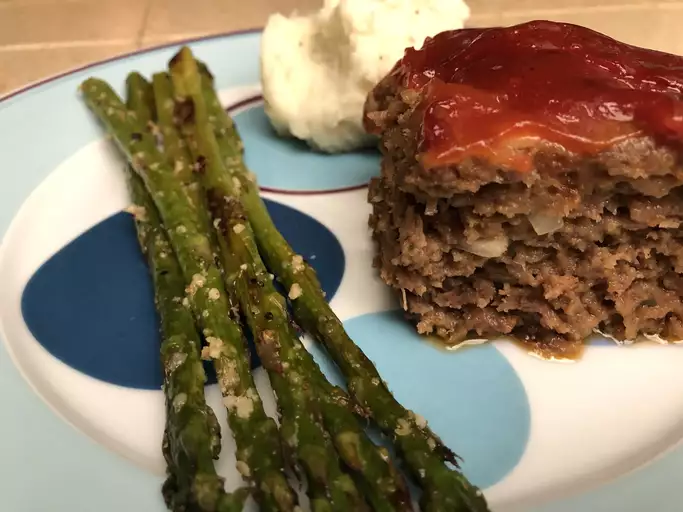
- Place one thick slice of meatloaf slightly off-center on the plate
- Add a generous scoop of mashed potatoes and vegetables
- Drizzle glaze over the meatloaf and create a small pool on the plate
Leftover transformation:
- Meatloaf sandwich: Toast thick bread slices, add lettuce, tomato, and a thick slab of cold or pan-fried Southern Meatloaf
- Meatloaf hash: Dice leftover meatloaf and pan-fry with diced potatoes, onions, and peppers for breakfast
- Meatloaf sliders: Cut smaller portions and serve on Hawaiian rolls with pickles and extra glaze
FAQs
Can I use frozen meat for Southern Meatloaf?
Yes, but always thaw it completely first. Never mix frozen or partially frozen ground meat into your meatloaf—it won’t combine properly with the other ingredients and will result in uneven cooking and texture. Thaw ground beef and pork in the refrigerator overnight (about 24 hours for 3 pounds). If you’re in a hurry, place the sealed package in a bowl of cold water, changing the water every 30 minutes until thawed (about 2-3 hours). Once thawed, let the meat sit at room temperature for 20-30 minutes before mixing for best results.
How do I fix overcooked or dry Southern Meatloaf?
If your meatloaf has already been cooked and is dry, you can rescue it! Slice the meatloaf and arrange the slices in a baking dish. Mix together 1 cup of beef broth with 2 tablespoons of your glaze and pour it over the slices. Cover tightly with foil and warm in a 300°F oven for 15-20 minutes. The meat will reabsorb some moisture. For serving, consider making a rich gravy to drizzle over the slices—this masks dryness effectively. Alternatively, crumble the dry meatloaf and use it in pasta sauce, chili, or stuffed peppers where it will absorb moisture from other ingredients.
Is this recipe safe for pregnant women?
Yes, when cooked properly! The key is ensuring the internal temperature reaches 160°F, which is the USDA-recommended safe temperature for ground beef and pork. At this temperature, any harmful bacteria are eliminated. Always use a meat thermometer to verify—never guess. Pregnant women should avoid undercooked ground meat, so don’t rely on visual cues alone. Also, ensure eggs are fully cooked (not runny) when mixed into the meatloaf. Follow proper food safety: wash hands thoroughly, don’t let raw meat sit at room temperature for more than 2 hours, and refrigerate leftovers promptly.
Why did my Southern Meatloaf fall apart when I sliced it?
Several factors cause crumbling:
- Overmixing or undermixing: You need to mix just until combined—too little mixing means ingredients aren’t bound; too much makes it tough and prone to breaking
- Not enough binder: The eggs and breadcrumb panade hold everything together. Make sure you’re using the full amounts specified
- Cutting too soon: You must let the meatloaf rest for 10-15 minutes. This allows proteins to set and juices to redistribute
- Meat too lean: If you used 90/10 or leaner beef, there’s not enough fat to hold the structure
- Slicing with a dull knife: Use a sharp knife and wipe it clean between slices for neat cuts
Can I make Southern Meatloaf in a loaf pan instead of free-form?
You can, but I don’t recommend it for this recipe. Here’s why: In a loaf pan, the meatloaf sits in its own fat drippings throughout cooking, which can make it greasy and prevents the glaze from caramelizing on all sides. The free-form method on a baking sheet allows fat to drain away and creates that delicious crusty, glazed exterior on the top and sides. If you must use a loaf pan, place a wire rack inside the pan to elevate the meatloaf above the drippings, and expect a softer exterior with less caramelization.
How can I tell if my meatloaf is done without a thermometer?
While a thermometer is strongly recommended, there are visual cues: The exterior should be deeply browned and caramelized, the glaze should appear thick and sticky (not wet), and when you press the center gently, it should feel firm, not squishy. If you must cut into it to check, the juices should run clear (not pink), and the interior should be uniformly brown with no pink areas. However, these methods are less reliable than a thermometer for ensuring both safety (160°F) and optimal doneness.
Can I double this recipe for a crowd?
Absolutely! To serve 12-14 people, double all ingredients and form two separate loaves on a large baking sheet (or use two baking sheets). Don’t make one giant loaf—it will take too long to cook through and the exterior will dry out. Two standard-sized loaves will cook in the same time as a single loaf and are easier to manage. You can also freeze one unbaked loaf for later.
What’s the best way to reheat Southern Meatloaf without drying it out?
The key is adding moisture and using gentle heat. For individual slices, place them in a covered skillet with 2 tablespoons of beef broth or water, and heat over medium-low for 5-7 minutes. The steam keeps the meat moist while heating it through. Alternatively, microwave slices covered with a damp paper towel for 60-90 seconds. For reheating the whole loaf, wrap it in foil with a few tablespoons of broth, and warm in a 300°F oven for 25-30 minutes until the internal temperature reaches 165°F. Brush with fresh glaze during the last 5 minutes for that just-made appearance and flavor.
Can I substitute oats for breadcrumbs?
Yes! Old-fashioned rolled oats make an excellent breadcrumb substitute and add wholesome texture to your Southern Meatloaf. Use the same measurement—1 cup of oats in place of 1 cup of breadcrumbs. For a finer texture, pulse the oats a few times in a food processor before mixing them with the milk. Quick oats also work, though they’ll create a slightly softer texture. Steel-cut oats are too coarse and won’t work well. The oat version adds a subtle nuttiness and makes the recipe naturally more filling. It’s also a great option if you’re avoiding processed foods or need a gluten-free alternative (just ensure your oats are certified gluten-free).
Why is there a crack on top of my Southern Meatloaf?
Surface cracking is common and usually caused by rapid temperature changes or too much leanness in the meat. To minimize cracking: use the recommended 80/20 ground beef (never leaner), don’t skip the milk-soaked breadcrumbs which add moisture, avoid overmixing which makes the texture too tight, and make sure your oven temperature is accurate at 350°F (use an oven thermometer to verify). If you notice a small crack forming during baking, simply brush more glaze over it—the glaze will fill the crack and create a delicious caramelized crust. Minor cracking doesn’t affect flavor or quality, and once sliced, no one will notice!
Can I add vegetables inside the Southern Meatloaf?
Beyond the sautéed onions, peppers, and garlic already in the recipe, you can incorporate additional vegetables, but with caution. Vegetables contain water that can make your meatloaf soggy and cause it to fall apart. If you want to add spinach, mushrooms, zucchini, or carrots, you must cook them first to remove excess moisture. Sauté until any liquid evaporates completely, then let them cool before mixing into the meat. Finely dice or shred vegetables so they distribute evenly. Don’t add more than 1 additional cup of cooked vegetables, or you’ll compromise the structural integrity. Frozen vegetables should be avoided—they contain too much water.
How long does Southern Meatloaf last in the refrigerator?
Properly stored Southern Meatloaf will keep for 3-4 days in the refrigerator. Let it cool to room temperature (within 2 hours of cooking), then wrap tightly in plastic wrap or transfer to an airtight container. The glaze helps preserve moisture during storage. Always refrigerate within 2 hours of cooking (1 hour if the room temperature is above 90°F) to prevent bacterial growth. If you notice any off smell, discoloration, or sliminess after storage, discard the meatloaf—don’t risk foodborne illness. For longer storage, freeze individual slices or the whole loaf for up to 3 months.
Can I cook Southern Meatloaf in a slow cooker?
While possible, I don’t recommend it for this recipe. Slow cookers create a steamy environment that prevents the glaze from caramelizing and developing that signature crusty exterior—which is one of the best parts of Southern Meatloaf! The texture will also be softer and less defined. If you must use a slow cooker, shape the meatloaf and place it on a foil sling for easy removal, cook on LOW for 5-6 hours until it reaches 160°F internal temperature, then transfer to a baking sheet, brush with glaze, and broil for 3-5 minutes to create some caramelization. The oven method produces far superior results and doesn’t take much active time.
What causes a metallic or tinny taste in meatloaf?
A metallic taste usually comes from one of two sources: over-seasoning with Worcestershire sauce (which contains anchovies and vinegar), or a reaction between acidic ingredients and aluminum foil. To avoid this, don’t exceed the recommended 2 tablespoons of Worcestershire in the mixture. If your tap water has a metallic taste, use filtered water when mixing ingredients. Make sure your aluminum foil doesn’t have direct contact with the glaze by using parchment paper under the foil, or use a silicone baking mat instead. Fresh, quality ground meat shouldn’t contribute any metallic flavors—if your meat tastes off, it may be past its prime.
Can I make mini meatloaves instead of one large loaf?
Absolutely! Mini Southern Meatloaves are perfect for portion control, faster cooking, and individual servings. Divide the mixture into 6-8 portions and shape into individual loaves on your baking sheet, spacing them about 2 inches apart. Reduce the cooking time significantly—mini loaves typically take 25-35 minutes total at 350°F to reach 160°F internal temperature. Glaze them after 15 minutes, then again during the last 5 minutes of cooking. They’re excellent for meal prep since you can freeze individually wrapped portions and reheat single servings. Kids especially love having their own personal meatloaf!
Conclusion
There’s something deeply satisfying about a perfectly cooked Southern Meatloaf—the way the sweet and tangy glaze caramelizes to create a glossy, flavorful crust, how each slice reveals a tender, juicy interior packed with savory goodness, and the comforting aroma that fills your kitchen and makes everyone gather around the table. This isn’t just dinner; it’s a taste of home, tradition, and pure comfort food magic.
You now have everything you need to master this Southern classic: the perfect meat blend for optimal flavor and moisture, the essential techniques that prevent common mistakes, the signature glaze that makes this recipe unforgettable, and creative variations to keep things exciting. Whether you’re serving this for a weeknight family dinner or bringing it to a potluck where you want to impress, this Southern Meatloaf delivers every single time.
Ready to experience comfort in every bite? Fire up your oven and make this Southern Meatloaf tonight! Your family will be asking for seconds before you’ve even finished dinner, and you’ll have a new go-to recipe that becomes part of your own tradition.
Join over 15,000 home cooks who’ve fallen in love with this recipe! Share your Southern Meatloaf creations with us on social media using #SouthernMeatloafMagic—we love seeing your delicious results and hearing how you’ve made this recipe your own.
Craving more comfort food classics? Don’t miss these reader favorites:
- [Classic Pot Roast with Root Vegetables]—Fork-tender beef that melts in your mouth
- [Buttermilk Fried Chicken Recipe]—Crispy, juicy, and authentically Southern
- [Slow Cooker Mac and Cheese]—Creamy, cheesy perfection with minimal effort
- [Southern-Style Collard Greens]—The perfect side dish for your meatloaf
- [Homemade Brown Gravy Recipe]—Drizzle this over everything!
Save this recipe! Pin it to your Pinterest boards, bookmark this page, or print it out for your recipe binder. This is one of those keepers you’ll return to again and again, and it’s worth having easy access whenever that Southern Meatloaf craving hits.
There’s no better time than right now to bring comfort food magic to your table. Gather your ingredients, preheat that oven, and get ready to enjoy one of the South’s most beloved dishes. Your family is going to love you for this!
Happy cooking, and enjoy every delicious, comforting bite of your Southern Meatloaf!